Launch your podcast with the help of Podzay's powerful tools and community.
Signup on PodzayA podcast is an on-demand series of episodes that people can play when it suits them. Most podcasts are audio, although many shows also publish video versions. Episodes may be interviews, reported stories, lessons, discussions, or short updates. Unlike a live radio schedule, the listener normally chooses the episode, starts it whenever they want, and can pause or download it. If you have heard someone mention a “podcast feed” or “subscribing to a show,” this guide explains what those terms mean in plain language.
Understanding the basics helps both listeners and potential creators. You do not need to pay or own special equipment to listen to many podcasts. To publish one, you need a clear idea, a recording, and usually a hosting service that makes episodes available through a feed. The details below separate what is essential from what is simply one popular way to make a show.
A podcast is generally a named show with one or more episodes available on demand. An episode is an individual installment, rather like a chapter in a continuing series. Some shows release in seasons, some publish every week, and others release only when a story is ready. A listener can follow a show to see future episodes in a podcast app, but following does not require listening immediately.
The format is broad. A teacher might explain one concept in ten minutes. A journalist might report a multi-episode investigation. Two friends might discuss a film. A company might publish interviews with customers or staff. These are all podcasts when presented as an ongoing on-demand show. The common thread is not episode length or production style; it is the repeatable show identity and the listener’s control over when to play it.
Not every audio recording is a podcast. A single voice memo shared privately lacks the show structure and publishing workflow most people mean by the term. A radio program can also be released as a podcast if its episodes are made available on demand. The boundaries are flexible, so focus on how the audience finds and listens rather than a rigid label.
Start with a podcast app, a streaming service, or a show’s website. Search for a topic, a host, or a show name. Open the show page, read an episode description, and press play. Many apps let you follow the show, download episodes for offline listening, adjust playback speed, and create a queue. The exact controls vary by service, but the basic act is similar to choosing a song or video on demand.
For a first listen, choose an episode whose title answers a question you already have. You do not usually need to begin with episode one unless the show tells a story in order. Check the description for guest names, content notes, or chapter markers. If a technical show uses unfamiliar language, pause and search a term; podcasts are meant to fit your pace, not the other way around.
Many public podcasts are free to play. Some include ads or sponsorships. Others offer paid episodes, early access, or ad-free versions. A paid subscription is optional unless the show explicitly restricts its content. Before paying, check what is included, which apps can play the private feed, and how to cancel.
An RSS feed is a structured file that lists a podcast’s show details and episodes. It typically contains titles, descriptions, publication dates, artwork information, and links to audio files. A hosting service often creates and updates it when the creator publishes a new episode. Podcast apps read the feed so they can display the show and notify followers of new releases. The listener rarely has to view the feed directly.
Think of the feed as the show’s distribution record, not the audio itself. The audio files live on a host, and the feed points apps to them. This distinction explains why a creator may change a description in the host’s dashboard and later see it update in different apps. It also explains why a creator should care about feed ownership and redirects when moving hosts: a broken feed can interrupt listeners’ access to future episodes.
Not every destination uses RSS in the same way. YouTube describes a podcast on its service as a playlist of videos. In eligible regions, it can ingest an audio podcast feed and create static-image videos for selected episodes, but YouTube does not distribute that feed to other podcast platforms. A filmed video episode uploaded directly to YouTube is also a different file and workflow from an audio episode hosted for standard podcast apps.
Audio podcasts are designed primarily for listening. They work well when the information can be understood without a screen, such as an interview, story, or explanation. Video podcasts add visuals: expressions, demonstrations, slides, or footage that may help viewers. A creator can release both an audio and video version, but should explain anything essential that an audio listener cannot see. The best format depends on the audience and the content, not on a rule that every show must be filmed.
A live stream happens at a scheduled time and may allow real-time comments or questions. If the recording is later released as an on-demand episode, it can become part of a podcast. The creator should edit or introduce it so someone who missed the live context can follow it. References to a chat message or on-screen image need explanation for a later listener.
Some creators publish a video podcast and short clips on social platforms. Clips are promotional excerpts, not substitutes for a complete episode. A clip should accurately represent the fuller conversation. A provocative cut that changes a guest’s meaning may bring views but damage trust in the show.
Most episodes begin with a listener question or editorial idea. The creator researches it, plans the structure, and records speech with a microphone. Interviews add guest outreach, scheduling, and permission to record. The recording is edited to improve clarity, remove irrelevant material, and balance sound. The team then writes a title and description, exports the file, and uploads it to the host. A useful checklist catches mistakes before release: wrong title, missing credit, broken link, or uncorrected factual claim.
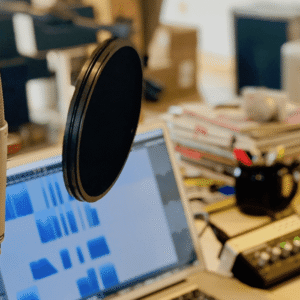
There is room for different levels of production. A short solo show can be recorded in a quiet room with a modest microphone. A reported series may involve several interviews, archival material, fact-checking, and detailed sound design. Expensive equipment is not a requirement for every format. Clear speech, a sensible structure, and respect for the listener’s time matter more than a complicated studio.
If you are considering your own show, our step-by-step guide to starting a podcast covers the decisions from concept to first release. It is worth making a test episode before buying additional tools. You will learn more from playing back a real recording than from comparing features you may never need.
Begin with a question or interest rather than a popularity chart. Search for that topic and compare a few episode descriptions. Look for a clear promise, credible guests where relevant, and titles that describe the substance rather than only tease a surprise. Try one episode from several shows before following a series. The best fit may be a small specialist show, not the most downloaded program.
Pay attention to how a show treats evidence and people. Does it distinguish facts from opinions? Does the host ask follow-up questions when a guest makes a broad claim? Are corrections and sources easy to find? Production quality also matters, but polished music does not make an argument accurate. A useful podcast should leave you with a clearer understanding, a new question, or an enjoyable experience that matched its description.
Recommendations from colleagues or communities can be helpful when they explain why a particular episode mattered. If you want a show for a specific context, such as a break or routine work, our guide to podcasts to listen to at work offers a way to match listening choices to the task and attention available.
Do you need to download an episode? Usually not. Many apps stream it when connected, but downloading can save mobile data and make playback more reliable on a journey. Can you listen on a computer? Yes. Many services and show websites have browser players. Must a podcast be a certain length? No. The right duration is the time needed to deliver the episode’s promise without unnecessary repetition.
Can anyone publish? In general, people and organizations can create shows, subject to the rules of their host and distribution destinations. Publication still carries responsibilities: obtain rights to music and clips, get appropriate guest consent, respect privacy, and check consequential claims. If you are deciding whether a podcast is suitable for your idea, consider whether the audience benefits from a recurring spoken format and whether you can maintain it. Our practical podcast advice explains how to develop that repeatable process.
A podcast is an on-demand show made of episodes that listeners can choose and follow. Audio feeds, hosting services, and apps work together to make many shows available across devices, while video destinations may use a different publishing path. To begin as a listener, search a topic and try an episode. To begin as a creator, identify the person you want to serve, make a test recording, and learn the simple publishing workflow before expanding your production.
Connect with fellow podcasters, share your content, and grow your audience with Podzay's comprehensive podcast platform.
Sign Up Now