
Launch your podcast with the help of Podzay's powerful tools and community.
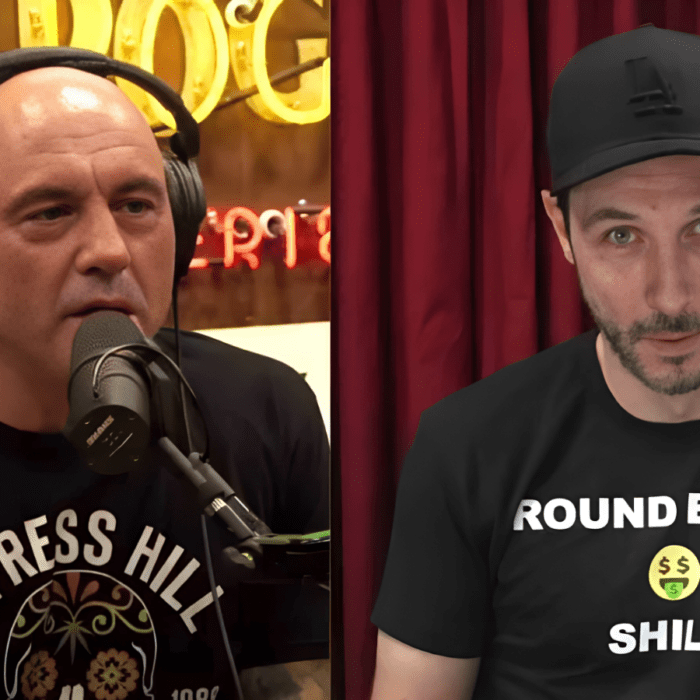
Signup on PodzayWhy does the conversation on The Joe Rogan Experience often feel loose while the production stays organized? Much of the answer lies in the division of labor between Joe Rogan, who leads the interview, and producer Jamie Vernon, often called Young Jamie. Their working relationship is useful to study even if a creator has a very different show, budget, or editorial point of view. It shows how a producer can protect the host’s attention, support a fast-moving conversation, and make information easier to handle in real time. It also shows why a live search result should never be mistaken for a verified fact.
This guide looks at the host-producer dynamic as a practical workflow, not a claim that any one podcast has a perfect process. Podcasters can adapt the principles to a two-person studio, a remote interview, or a solo show with a careful preparation system. The goal is a more useful conversation for listeners and a clearer responsibility for what ultimately gets published.
The host carries the conversation. That includes setting a welcoming tone, asking questions that match the guest’s expertise, noticing an interesting answer, and changing direction when the discussion reveals something better than the planned outline. A host who is constantly searching tabs or adjusting recording software loses some of that attention. The producer takes on operational work so the host can stay engaged with the guest.
Jamie is publicly identified as a producer of Rogan’s podcast, but the transferable lesson is broader than one person’s job description. In any interview show, someone must monitor recording, track timing, find supporting material, and note statements that need checking. On a smaller production, these jobs may be split between a host and a freelance editor, or handled after recording. Naming the responsibilities still helps. It prevents an important question from being missed because everyone assumed someone else had it covered.
For example, before an interview about nutrition, the host might prepare the guest’s research history and open-ended questions. The producer can independently confirm the spelling of cited studies, keep relevant source links ready, and flag a disputed statistic for follow-up. Neither role requires turning an interview into a scripted performance. The preparation creates room for spontaneity without surrendering accuracy.
A long conversation rarely follows an outline from beginning to end. That is a strength when the interviewer has enough background to recognize a worthwhile detour. Before recording, create a one-page briefing with the guest’s current role, three areas of genuine expertise, a few important previous statements, and the questions listeners would reasonably want answered. Keep biographical claims separate from the guest’s opinions. A producer can check names, dates, titles, and links while the host thinks about the conversation’s arc.
Good research should generate questions rather than speeches. Instead of asking a guest to repeat a familiar talking point, ask for a concrete example: What changed your mind? Which part of the work was harder than expected? What would you tell someone attempting this today? Such prompts invite a story and give the listener a way to test the advice against a real situation. Our guide to effective podcast interviews offers more ways to prepare while leaving room for follow-up questions.
A short pre-recording call is useful when the subject is technical or sensitive. Agree on pronunciation, discuss any visual materials that might be referenced, and identify claims that require a primary source. The call should not predetermine every answer. Its purpose is to prevent avoidable confusion once the microphones are on.
One recognizable feature of the Rogan and Jamie format is the producer’s ability to bring up information during the discussion. This can help a listener when a guest mentions an unfamiliar image, article, or person. It can also create a problem: the first search result is often convenient, not authoritative. A screenshot, social post, search snippet, or AI-generated summary may omit context or repeat a false claim.
Agree on a simple evidence hierarchy before recording. For a claim about a published study, look for the original paper, an official institutional page, or a reputable database entry. For a product specification, use the maker’s documentation. For a legal or medical statement, prioritize the relevant authority and consider whether the program needs an expert review before release. If the source cannot be found promptly, say so on air or mark the moment for later checking. Silence while searching is preferable to presenting an uncertain answer as settled.
Producers should also distinguish finding a source from interpreting it. An original paper may exist, but its design, sample, and limitations matter. A host can ask the guest what the document actually establishes, and the producer can add a timestamp for post-production review. The team’s credibility grows when it is comfortable saying, “We need to verify that,” rather than filling every gap instantly.
Research support works best when host and producer know how to communicate without derailing the guest. Decide which issues justify an immediate interruption, such as a wrong name, a broken demonstration, or a recording failure. Send less urgent notes through a shared document or quiet message. A producer can mark the time and send one concise prompt: “Ask for the date of that study” or “The chart compares different years.” The host then chooses a natural point to ask.
Keep the producer’s browser and documents organized by topic. A folder with the guest briefing, primary sources, pronunciation notes, and a running timestamp log reduces frantic tab switching. If the episode uses video, specify who controls screen sharing and who checks that displayed material is permitted and legible. A visual shown to the host may not be visible to an audio listener, so the host should describe what is being examined and explain why it matters.
For a solo creator, the equivalent protocol is a pause-and-mark habit. Stop to identify a claim that needs confirmation, add a marker in the recording, then continue the conversation. Post-production can replace a vague exchange with a concise clarification if the show’s format permits it. That is more reliable than trying to conduct a full investigation while interviewing.
The audience cannot appreciate a good exchange if one voice drops out or the levels swing wildly. Before each session, check microphones, headphones, local recording, backup recording, and available disk space. Record a short test and play it back, not merely a visual meter check. The producer should watch for clipping, unexpected noise, and disconnected devices during the interview. For remote guests, send simple connection instructions and ask for headphones, a quiet room, and a local backup when possible.
A producer can keep the technical conversation short by handling setup before the guest joins. If there is a problem during recording, signal the host clearly, pause, and fix it. Trying to rescue an inaudible answer later is much harder than rerecording it immediately. Our guide to remote podcast recording setups explains how to reduce common connection and room problems.
Technical polish should not mean removing every breath or moment of thought. Editing can improve clarity while preserving the exchange’s meaning. The key question is whether a cut helps listeners understand the guest, not whether it makes the conversation sound artificially flawless.
An unfiltered tone is a style choice; publishing is still an editorial act. After recording, review the timestamp log and check claims that a reasonable listener might treat as factual advice. Prioritize consequential assertions about health, money, law, safety, or a person’s reputation. If a claim is unsupported, the team can cut it, add a spoken correction, include a clearly visible note, or invite clarification. The appropriate response depends on the claim and the episode’s context.
Show notes should not become a dumping ground for every search result. Link the primary sources that actually informed the discussion and describe what they support. If the guest offers an opinion, label it as an opinion. If a study is preliminary, do not present it as a settled conclusion. The host and producer should decide who signs off on titles, thumbnails, clips, and captions, because a sensational short clip can distort a balanced long interview.
Corrections deserve a repeatable process. Keep a contact channel for listeners, record the issue, check the original material, and decide whether the correction belongs in the audio, description, transcript, or all three. A clear correction signals respect for the audience rather than weakness.
You do not need a dedicated control room to separate creative and operational tasks. A two-person podcast can have one person lead the conversation and the other handle levels, source checks, and notes. If both people appear on mic, assign a primary interviewer for each episode. A solo host can prepare a source folder, use recording markers, and reserve a review hour before publication. The important point is that research, conversation, and verification happen deliberately.
Build a repeatable checklist with three stages. Before recording, confirm the guest’s background, create a question map, and test the signal. During recording, watch the technical feed, log important claims, and use short prompts. After recording, verify the logged claims, review edits for context, and approve the final title and clips. This division makes the show more resilient when an episode takes an unexpected turn.
Some creators will prefer a tightly edited show rather than a lengthy conversation. Others may publish nearly complete interviews. Both can benefit from the same underlying discipline. The producer’s role is not to make the host sound omniscient; it is to help the host ask better questions and give listeners enough context to think for themselves. For a broader production checklist, see our practical podcast advice.
Joe Rogan and Young Jamie illustrate a durable production principle: compelling interviews depend on both human attention and quiet operational support. The host follows the guest, while the producer helps the conversation remain technically sound and informed. For any creator, the most useful takeaway is not to imitate a famous show’s length or tone. Define the roles, prepare primary sources, mark uncertain claims, and review the finished episode with the listener’s trust in mind.
Next step: create your free Podzay profile, see Podzay pricing or learn how the Podzay podcast guest matching platform works.
Connect with fellow podcasters, share your content, and grow your audience with Podzay's comprehensive podcast platform.
Sign Up Now