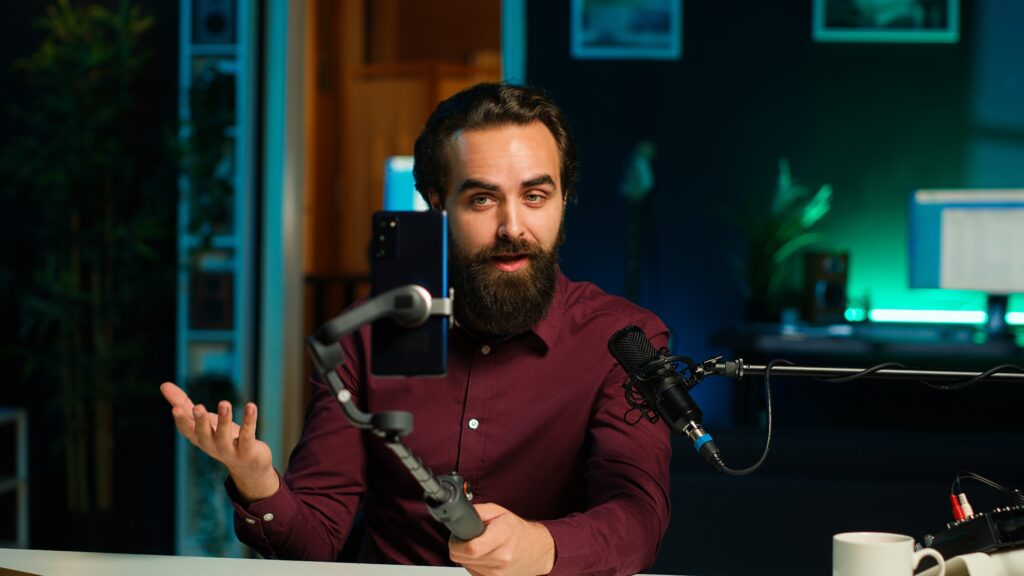

Launch your podcast with the help of Podzay's powerful tools and community.
Signup on PodzayThe podcasting landscape in 2026 looks remarkably different from just a few years ago. With over 619 million podcast listeners worldwide and the industry projected to reach $17.59 billion by 2030, podcasting has firmly established itself as a mainstream media powerhouse. Video podcasts now dominate discovery channels, AI tools have transformed production workflows, and the lines between audio content and traditional media continue to blur.
Amidst this explosive growth, one question remains constant for entrepreneurs, thought leaders, and content creators: should money change hands between podcast guests and hosts? Whether you are building your personal brand through guest appearances, launching your own show, or trying to understand industry norms, this comprehensive guide breaks down everything you need to know about the financial dynamics of podcast collaborations in 2026.
Understanding the modern podcasting ecosystem requires acknowledging just how dramatically the industry has evolved. According to Edison Research, 55% of Americans now consume podcasts monthly, marking the first time monthly consumption has reached the majority of adults in the United States. Weekly listeners average 8.3 episodes per week, spending more than 9 hours engaged with podcast content.
This massive audience creates unprecedented opportunities for both hosts and guests, but it also raises legitimate questions about how value flows between participants. The traditional model of mutual benefit without monetary exchange remains the foundation of most podcast collaborations, yet exceptions and edge cases have become more common as the industry matures.
At its core, the podcast guest-host relationship operates on reciprocity. Hosts invest significant resources into building their platforms, including equipment purchases, hosting fees, editing time, and audience development efforts. Guests contribute expertise, unique perspectives, and often their own audiences to the equation. Both parties benefit from this exchange, and for the vast majority of podcasts, no money needs to change hands for both sides to walk away satisfied.
However, the rise of video podcasting, premium content models, and increased advertiser spending has complicated this straightforward dynamic. With podcast advertising revenue surpassing $4 billion and platforms like Spotify reporting that paid creators earned over $100 million in Q1 2026 alone, the financial stakes have never been higher.
The straightforward answer remains unchanged from previous years: most podcast guests do not receive payment for their appearances. This standard holds true across the overwhelming majority of shows, from emerging podcasts with modest audiences to established programs commanding hundreds of thousands of downloads per episode.
Several factors reinforce this industry norm. Independent podcasters, who make up the vast majority of active shows, operate on limited budgets that prioritize production quality over guest compensation. Even successful shows with substantial advertising revenue typically allocate those funds toward equipment upgrades, marketing efforts, and platform fees rather than paying guests to appear.
More importantly, the value guests receive from appearances often exceeds what any reasonable appearance fee could provide. Consider what a single well-matched podcast appearance delivers in 2026: exposure to highly engaged listeners who consume 80% or more of each episode, backlinks from show notes that boost search engine rankings, social media mentions across multiple platforms, and the establishment of authority within specific niches.
These benefits compound significantly over time. Podcast episodes remain accessible indefinitely across platforms like Apple Podcasts, Spotify, YouTube, and Amazon Music. An appearance recorded today could continue driving traffic, generating leads, and building credibility for years to come. Research indicates that 30% of listeners discover podcasts through internet search, meaning optimized show notes and transcripts create long-term discoverability that a one-time payment could never match.
If you want to maximize your chances of landing great podcast appearances, learning how to pitch yourself as a podcast guest effectively makes all the difference in standing out from hundreds of other potential guests competing for the same spots.
Exceptions to this norm exist but remain relatively rare. Celebrity guests with massive built-in audiences sometimes negotiate appearance fees, particularly when appearing on high-budget productions affiliated with major media companies or networks. Industry-leading experts who command significant speaking fees in other contexts may occasionally receive compensation for their time. Sponsored appearances where brands pay for representatives to be featured also involve payment, though this arrangement functions more like advertising than traditional guesting.
For professionals, entrepreneurs, and thought leaders looking to leverage podcast guesting as a marketing strategy, expecting payment is neither realistic nor advisable. The non-monetary benefits provide far greater long-term value than any one-time fee could deliver, especially when appearances are strategically selected to reach target audiences.
An increasingly visible practice involves podcast hosts charging guests for the privilege of appearing on their shows. While this model generates revenue, it raises significant concerns about content integrity and the sustainability of the podcasting ecosystem that creators and listeners have built together.
Hosts who charge guests typically justify the practice by citing their audience size, production quality, promotional efforts, or the marketing value guests receive from exposure. Fee structures vary dramatically, ranging from modest amounts under one hundred dollars to premium rates exceeding several thousand dollars for appearances on high-profile shows. Some major podcasts with enormous audiences have reportedly charged between $20,000 and $50,000 for guest spots on their programs.
This approach introduces problematic dynamics that can undermine the authentic value exchange podcasting has traditionally provided. When guests pay for appearances, the selection process naturally shifts from identifying the most relevant and valuable contributors to attracting those with marketing budgets willing to pay for exposure. This transition can compromise content quality and erode listener trust, particularly when audiences discover that featured guests essentially purchased their airtime.
Research consistently shows that podcast listeners value authenticity above almost everything else. Host-read advertisements outperform scripted ones precisely because listeners trust the personal connection hosts have cultivated with their audiences. When that trust becomes commodified through paid guest appearances, the fundamental appeal of the medium suffers.
Understanding best practices for podcast hosts helps creators build sustainable shows that grow through genuine value creation rather than transactional guest relationships that can damage long-term reputation.
Furthermore, charging guests signals that the host views their platform primarily as a transactional commodity rather than a collaborative medium for sharing valuable content. This mindset often correlates with other concerning patterns: minimal audience engagement, inconsistent publishing schedules, or eventual show abandonment when revenue expectations fail to materialize. Data shows that only about 15% of podcasts currently remain active, and shows built on transactional relationships rather than genuine audience connection tend to fall into the inactive majority.
For hosts considering this model, the reputational risks typically outweigh the financial benefits. Building a sustainable podcast in 2026 requires cultivating genuine relationships with guests who become advocates for your show. That advocacy diminishes significantly when the relationship begins with a financial transaction rather than mutual value creation.
Despite the general recommendation against paying for podcast appearances, certain circumstances might justify the investment. Understanding these scenarios helps guests make informed decisions rather than dismissing paid opportunities categorically.
Strategic alignment represents the most compelling justification for paying an appearance fee. If a podcast reaches your exact target audience with exceptional precision, and that audience would be prohibitively expensive or otherwise impossible to access through alternative channels, a reasonable appearance fee might deliver positive returns on investment. The key lies in ensuring the investment generates measurable outcomes, whether through direct leads, significant traffic increases, meaningful brand awareness gains, or concrete business results.
Transparent promotional arrangements also differ meaningfully from exploitative pay-to-play schemes. Some podcasts openly operate as sponsored content platforms, clearly disclosing to listeners that featured guests have compensated the show for their appearance. When this arrangement maintains honesty with the audience and the content remains genuinely valuable, both parties can benefit without deceiving listeners or compromising trust.
Time sensitivity occasionally factors into payment decisions as well. If you have a product launch, book release, speaking tour, or event that requires immediate visibility within a specific timeframe, paying for guaranteed appearances on relevant shows might accelerate your promotional efforts in ways that organic booking simply cannot match. The podcast booking cycle typically spans weeks or months, and paid placements can sometimes bypass these delays.
However, caution remains essential when evaluating any paid opportunity. Before committing to an appearance fee, conduct thorough due diligence on the podcast. Verify audience size claims through independent sources and third-party analytics tools. Listen to multiple episodes to assess content quality, interview style, and audience engagement patterns. Check whether previous paid guests achieved meaningful results and ask for case studies or testimonials when possible. If a host cannot demonstrate genuine value beyond simply providing airtime, the investment is unlikely to yield worthwhile returns regardless of their audience claims.
Understanding the comprehensive value of podcast appearances helps both guests and hosts appreciate why the traditional exchange model continues to work so effectively, even as the industry evolves.
Audience exposure stands as the most immediate and obvious benefit. Podcast listeners demonstrate remarkable engagement compared to consumers of other media formats. The majority of podcast listeners consume most or all of each episode they start, providing guests with sustained attention that social media posts, blog articles, or brief advertisements cannot match. This extended exposure allows guests to communicate nuanced messages, share personal stories, demonstrate expertise through conversation, and establish genuine connections with potential customers, clients, or followers.
With 42% of weekly podcast listeners now preferring to watch rather than just listen to podcasts, video formats create additional opportunities for content leverage. A single podcast appearance can generate YouTube content, social media clips, TikTok shorts, and Instagram reels that extend reach far beyond the original episode. Understanding video podcasting strategies helps both guests and hosts maximize the value of every recorded conversation.
Search engine optimization benefits deserve particular attention in 2026. When podcasts publish show notes with links to guest websites, those backlinks signal credibility to search algorithms. Google rewards sites with more backlinks through higher search rankings, and podcast show notes from established shows carry significant authority.
Appearing on multiple podcasts within a niche creates a network of authoritative references that can dramatically improve search visibility over time. With 30% of podcast discovery now happening through internet search, this SEO value has become increasingly important for building sustainable online presence. The evergreen nature of podcast content means these SEO benefits compound year after year, unlike social media posts that disappear from visibility within hours or days.
Credibility and authority development accelerate through podcast appearances in ways that self-promotional content cannot replicate. When a respected host invites you to share your expertise, their implicit endorsement transfers credibility to you in the minds of their audience. Listeners who already trust the host extend that trust to featured guests, creating borrowed authority that proves particularly valuable for emerging professionals seeking to establish themselves within competitive fields.
This effect compounds across multiple appearances, building a reputation that opens doors to additional opportunities including speaking engagements, consulting work, partnership proposals, and media features.
The networking benefits of podcast guesting extend well beyond immediate audience exposure. Podcast hosts maintain networks of other hosts, guests, industry contacts, and influential figures within their niches. A successful appearance often leads to additional podcast invitations, speaking engagement opportunities, collaboration proposals, partnership discussions, or valuable introductions that generate long-term business value.
Many professionals report that relationships formed through podcast appearances led to their most significant business opportunities. Learning how to maximize your podcast appearance ROI ensures you capture the full relationship-building potential of every guest spot.
Content repurposing multiplies the return on time invested in podcast appearances. A single 45-minute interview generates raw material that can be transformed into social media clips, blog posts, newsletter content, email sequences, video snippets, quote graphics, and more. This content ecosystem amplifies reach while requiring minimal additional effort beyond the original conversation.
AI tools now make this repurposing even more efficient, with many platforms offering automated transcription, clip generation, and social media optimization. A single well-prepared podcast appearance can fuel weeks of content across multiple platforms.
For hosts seeking revenue streams that sustain their shows without compromising content integrity, numerous alternatives to guest fees preserve the collaborative spirit while generating meaningful income.
Advertising and sponsorships represent the most established monetization path in podcasting. As audience size grows, hosts can partner with relevant brands to feature advertisements during episodes. According to the IAB Podcast Advertising Revenue Study, the average CPM for podcast advertising stands at approximately $29, among the highest rates in the broader advertising industry.
Host-read ads particularly command premium rates because listeners respond better to personal endorsements than scripted announcements. This model keeps guest relationships free from financial complications while providing income proportional to actual listener engagement and audience growth.
Premium content offerings create value for dedicated fans willing to pay for enhanced experiences. Extended interviews, bonus episodes, exclusive community access, behind-the-scenes content, early episode releases, or ad-free listening can generate subscription revenue without affecting the standard guest experience.
Platforms like Patreon, Supercast, and built-in subscription features on Apple Podcasts and Spotify make implementing premium tiers straightforward for creators at any scale.
Affiliate partnerships align host recommendations with revenue opportunities in authentic ways. When discussing products, services, or tools that genuinely benefit listeners, affiliate links can generate commissions without requiring guests to pay for appearances or compromising editorial independence. The key lies in only promoting offerings the host genuinely uses and believes in, maintaining the trust that makes podcast recommendations valuable in the first place.
Services and consulting leverage podcast authority into professional opportunities that extend beyond the show itself. Hosts who establish expertise through their shows can offer related services to listeners, guests, or businesses within their niche. Speaking engagements, coaching programs, consulting arrangements, and professional services create revenue streams that benefit from podcast visibility without monetizing guest relationships directly.
Live events and community building have emerged as increasingly important revenue sources for podcast creators. Live show recordings, virtual events, membership communities, and in-person meetups allow dedicated listeners to engage more deeply with hosts and fellow community members. These offerings generate revenue while strengthening the audience relationships that make podcasts sustainable over time.
Whether pursuing paid or unpaid opportunities, identifying shows that align with your goals determines the ultimate value of your podcast guesting efforts. Strategic selection matters far more than volume when building an effective podcast guesting strategy.
Audience relevance matters more than raw audience size in virtually every case. Appearing on a smaller podcast that reaches your exact target demographic delivers better results than featuring on a larger show with a mismatched audience. A podcast with 5,000 highly engaged listeners in your specific niche will generate more leads, build more relevant credibility, and create more meaningful opportunities than a show with 50,000 listeners who have no interest in what you offer.
Research listener demographics, professional backgrounds, and interests before pursuing any opportunity. Most podcast hosts share audience information when discussing potential guest appearances.
Content quality signals the host’s commitment to their show and audience while indicating the experience you can expect as a guest. Listen to several recent episodes before pitching yourself as a potential guest. Shows with thoughtful questions, professional production values, and engaged hosts provide better experiences and outcomes than those treating podcasting as a casual hobby or afterthought.
Pay attention to how hosts interact with guests, whether they prepare adequately for conversations, and how they promote episodes after publication.
Publication consistency indicates whether your episode will actually reach listeners after you invest time in recording. Podcasts with irregular schedules or extended gaps between episodes may delay your interview indefinitely or never release it at all, wasting the preparation and recording time you invested. Check publishing patterns over the past several months to ensure the show maintains a reliable schedule.
Platform presence across multiple channels maximizes the reach of your appearances. Shows that publish video to YouTube, create clips for social media, maintain active email newsletters, and engage audiences across multiple platforms extend your visibility far beyond the audio episode itself. This multi-platform approach has become increasingly important as video podcasting grows and content discovery fragments across channels.
Podcast matching platforms like Podzay streamline the discovery process by connecting hosts and guests based on mutual interests, audience alignment, content focus, and professional goals. Using dedicated matching services reduces the time spent researching shows manually while increasing the likelihood of finding genuinely compatible opportunities that deliver meaningful results.
Rather than sending hundreds of cold pitches to podcasts that may not be the right fit, matching platforms use algorithms and curated databases to connect you with hosts actively seeking guests in your area of expertise.
Successful podcast collaborations depend on transparent communication and aligned expectations before any recording begins. Both guests and hosts benefit from establishing clear ground rules that protect everyone’s interests while fostering authentic, valuable conversations.
Guests should clarify promotional opportunities during initial discussions before committing to an appearance. Key questions to address include:
What links will be included in show notes? How will the episode be promoted on social media and other channels? When will the episode be published? Are there any limitations on self-promotion during the conversation? Will video be recorded in addition to audio? Can you receive clips or transcripts for your own promotional use?
These details may seem minor during the excitement of booking an appearance, but they significantly impact the value you ultimately receive.
Hosts should communicate episode timelines, content focus areas, technical requirements, and any specific expectations they have for guests. Providing interview questions or topic outlines in advance allows guests to prepare thoughtful responses while maintaining conversational spontaneity during actual recording.
Professional hosts also explain their editing process, release schedule, and promotional commitments so guests know what to expect after the conversation ends.
Both parties benefit from written agreements that document basic terms, particularly regarding content usage rights, republication permissions, promotional commitments, and episode timing. While formal contracts remain uncommon for standard podcast appearances, documenting expectations through email exchanges prevents disputes and demonstrates professionalism on both sides.
This becomes especially important when either party plans to repurpose content across multiple platforms or formats.
Post-episode collaboration often determines whether a guest appearance generates maximum value. Guests should share published episodes with their own audiences, engage with listener comments, and maintain the relationship with hosts beyond the immediate transaction.
Hosts who support their guests’ promotional efforts through social media mentions, newsletter features, and cross-platform sharing create mutual benefit that often leads to ongoing collaboration and referrals. The best podcast relationships extend far beyond a single episode.
The question of whether to pay or be paid as a podcast guest or host ultimately comes down to understanding the genuine value exchange that makes podcasting such a powerful medium for connection and communication. In the vast majority of cases, both parties benefit most when no money changes hands between them.
Guests receive exposure to engaged audiences, credibility through association with respected hosts, SEO benefits that compound over time, networking opportunities with industry contacts, and content assets they can leverage across platforms. Hosts gain compelling content that serves their listeners, fresh perspectives that enrich their shows, potential access to new audiences through guest promotion, and relationships that strengthen their position within their niches.
This mutual benefit creates sustainable relationships that enrich the entire podcasting ecosystem and explain why the industry continues growing despite economic pressures affecting other media formats. The 619 million global podcast listeners in 2026 represent an audience that values authenticity, expertise, and genuine conversation above polished production or paid placement.
When financial considerations do enter the equation, whether through carefully evaluated paid appearances or thoughtfully implemented monetization strategies, maintaining transparency and prioritizing authentic value protects the trust that makes podcasting effective for everyone involved. Both guests and hosts succeed when they approach collaborations as partnerships rather than transactions.
The podcasting industry will continue evolving throughout 2026 and beyond, with video content, AI tools, and new platforms reshaping how creators and audiences connect. But the fundamental principle underlying successful podcast collaborations remains constant: create genuine value for listeners, and the benefits flow naturally to everyone involved.
Ready to find your perfect podcast match in 2026? Join Podzay today and connect with hosts and guests who share your vision for creating meaningful content that serves listeners while building lasting professional relationships and genuine business results.
Connect with fellow podcasters, share your content, and grow your audience with Podzay's comprehensive podcast platform.
Signup for Free